
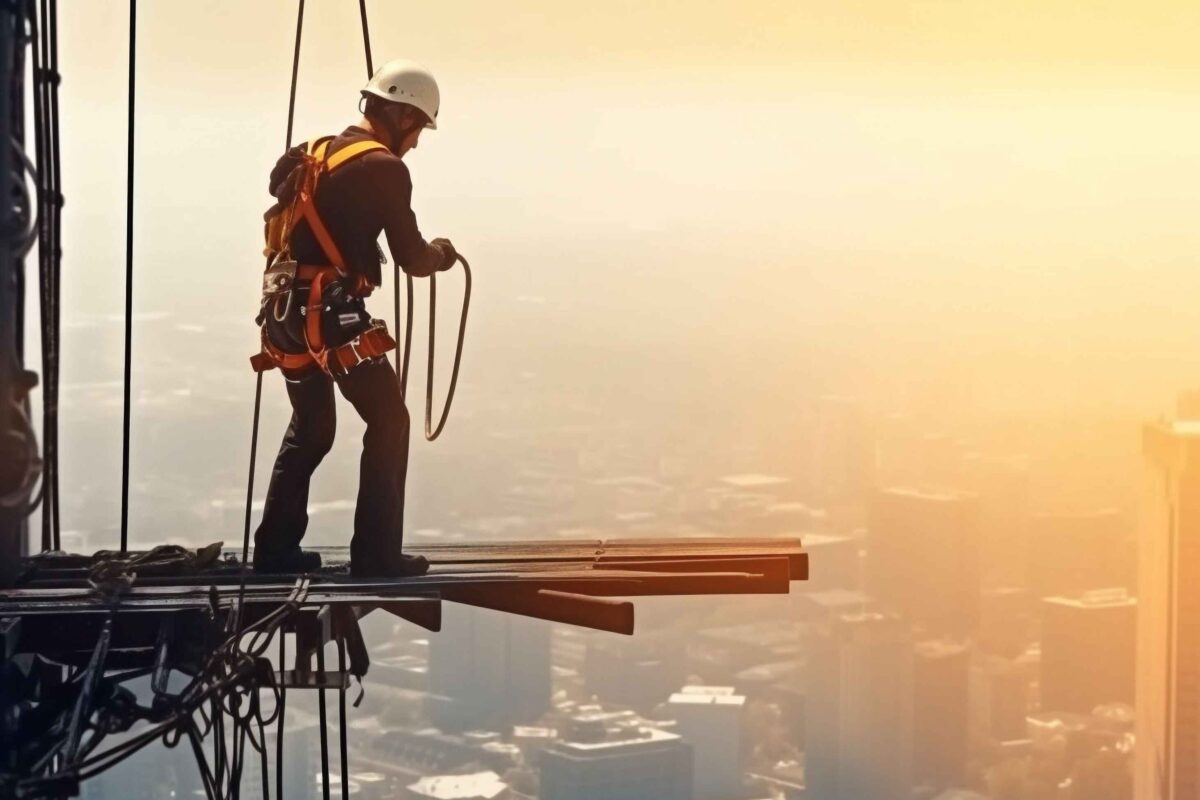
Why Safety at Height Is Critical in the Construction Industry
Working at height is one of the most dangerous tasks in the construction industry. Every year, thousands of workers across the U.S. suffer serious injuries—or even lose their lives—because of falls from ladders, scaffolding, or rooftops. The sad part? Most of these incidents are preventable with the right safety practices.
In this article, we’ll discover why safety at height is critical in the construction industry, the real-world consequences of neglecting it, and a practical step-by-step guide to keeping workers safe.
Understanding the Risks of Working at Height
When you think about a construction site, you might imagine cranes, steel beams, and workers wearing hard hats. What’s easy to forget is that many of those workers are performing their duties high above the ground—installing roofing, maintaining scaffolding, or handling electrical systems.
Even a fall from just six feet can cause life-altering injuries. According to the Occupational Safety and Health Administration (OSHA), falls are the leading cause of death in construction, accounting for nearly one-third of all fatalities in the industry.
Common Hazards in Height Work
Let’s look at some common hazards that construction workers face when working at height:
- Unsecured scaffolding – Poorly built or uninspected platforms can collapse.
- Improper ladder use – Ladders placed on uneven surfaces or at wrong angles increase fall risks.
- Weather conditions – Rain, snow, or strong winds can make surfaces slippery or unstable.
- Lack of personal protective equipment (PPE) – Without harnesses or guardrails, even a small misstep can be fatal.
- Falling objects – Tools or materials falling from above can injure workers below.
These are not just “accidents waiting to happen.” They are predictable risks that can be reduced through proper safety at height training and management.
A Real-Life Example: The Rooftop Incident
To understand how quickly things can go wrong, consider this story from a construction site in Texas.
Mark, a 32-year-old roofing contractor, was installing shingles on a residential project. It was a clear morning, and he had worked on similar jobs hundreds of times. But that day, he decided not to clip his safety harness because “it was just a quick job.”
As he reached to grab a tool, his foot slipped on loose gravel. In seconds, he fell 18 feet to the ground, suffering multiple fractures and a severe head injury. He survived, but his recovery took months—and his career was never the same.
Mark’s story isn’t unique. It serves as a heartbreaking reminder that safety at height is not optional—it’s a matter of life and death.
Why Safety at Height Is Non-Negotiable
1. Protecting Human Lives
The most obvious reason is to protect lives. Every worker deserves to go home safely at the end of the day. Falls are not “part of the job.” They are signs of missing safety controls or inadequate supervision.
2. Preventing Financial Loss
Construction companies face serious financial consequences when accidents occur—from medical expenses and insurance claims to legal penalties and project delays. Investing in height safety measures is far less costly than dealing with the aftermath of an accident.
3. Compliance with Regulations
OSHA requires employers to implement fall protection systems when working six feet or more above the ground. Failing to comply can lead to heavy fines or even shutdowns. Staying compliant is not just a legal duty—it’s a moral responsibility.
4. Building a Culture of Safety
Companies that prioritize safety at height build stronger trust among their employees. Workers feel valued and are more likely to follow protocols when they know their employers genuinely care about their well-being.
The Step-by-Step Guide to Ensuring Safety at Height
Creating a safe environment for working at height isn’t a one-time effort—it’s a continuous process. Here’s a step-by-step guide to implementing effective safety measures.
Step 1: Conduct a Comprehensive Risk Assessment
Before any work begins, conduct a risk assessment of the site. Identify potential hazards, such as unstable surfaces, electrical lines, or uneven ground.
Ask key questions like:
- Is there a safer alternative to working at height?
- What could go wrong during this task?
- What tools or equipment will minimize the risk?
Document your findings and share them with the entire team.
Step 2: Select the Right Equipment
Using the correct equipment can mean the difference between life and death. Choose gear that fits the job:
- For scaffolding: Ensure it’s built and inspected by a qualified person.
- For ladder work: Pick the right ladder height and angle (a 4:1 ratio is ideal).
- For elevated platforms: Use guardrails or toe boards.
Always double-check that all safety gear meets OSHA standards before starting work.
Step 3: Use Personal Protective Equipment (PPE)
Every worker at height should wear the appropriate PPE. This includes:
- Safety harnesses and lanyards
- Hard hats
- Non-slip boots
- Gloves and protective eyewear
And most importantly, ensure workers know how to use PPE correctly. Wearing a harness incorrectly can be just as dangerous as not wearing one at all.
Step 4: Train and Supervise Workers
Training is the backbone of a safe workplace. Every worker should receive proper height safety training, covering topics such as:
- How to inspect equipment
- Emergency procedures
- Safe climbing and anchoring techniques
Supervisors must also monitor activities to ensure procedures are followed consistently. Safety isn’t just taught once—it’s reinforced daily.
Step 5: Implement Fall Protection Systems
Fall protection systems are a must-have in any height-related work. These include:
- Guardrail systems – Provide a physical barrier around edges.
- Safety nets – Catch workers who might fall.
- Personal fall arrest systems – Stop a worker’s fall mid-air.
When possible, combine multiple systems for maximum protection.
Step 6: Inspect and Maintain Equipment Regularly
All equipment—whether it’s scaffolding, ladders, or harnesses—must be inspected before and after every use. Look for wear and tear, rust, or loose connections.
A good practice is to maintain an inspection log that records every check. If an item fails inspection, tag it as “Do Not Use” and replace it immediately.
Step 7: Encourage Reporting and Continuous Improvement
A safety culture thrives on open communication. Encourage workers to report hazards or unsafe practices without fear of punishment.
Hold regular safety meetings to discuss recent incidents, near misses, and lessons learned. This helps the entire team stay alert and proactive.
The Emotional Impact of Falls
Beyond statistics and fines, the emotional impact of workplace falls is devastating. Families lose loved ones, coworkers carry guilt, and employers face the heavy burden of knowing an injury could have been prevented.
It’s important to humanize these numbers. Behind every “fall incident” is a real person—a father, mother, or friend—whose life can change in an instant.
That’s why safety at height is not just a rule; it’s an act of compassion.
Emerging Technologies for Height Safety
Modern technology is reshaping how construction companies approach safety. Here are a few innovations making a difference:
- Drones – Used to inspect high areas without risking workers’ lives.
- Wearable sensors – Alert workers when they approach unsafe edges.
- Augmented reality (AR) training – Allows workers to practice hazard identification in a virtual environment.
Embracing these tools helps prevent accidents before they happen and keeps workers safe in the long run.
A Culture Built on Accountability
Safety isn’t the responsibility of just one person—it’s a team effort. From top management to site workers, everyone plays a part in maintaining height safety.
Leaders must set the example by wearing PPE and following the same rules they expect others to follow. When safety becomes a shared value rather than a checklist, accidents naturally decline.
Final Thoughts
The construction industry is built on strength, skill, and precision. But no project is ever worth a worker’s life. Safety at height must be treated with the same importance as deadlines and budgets.
By following these practical steps—risk assessments, proper training, and continuous monitoring—we can make sure every worker returns home safely.
So, the next time you step onto a site or climb a scaffold, remember: safety at height isn’t just a requirement—it’s a responsibility.
